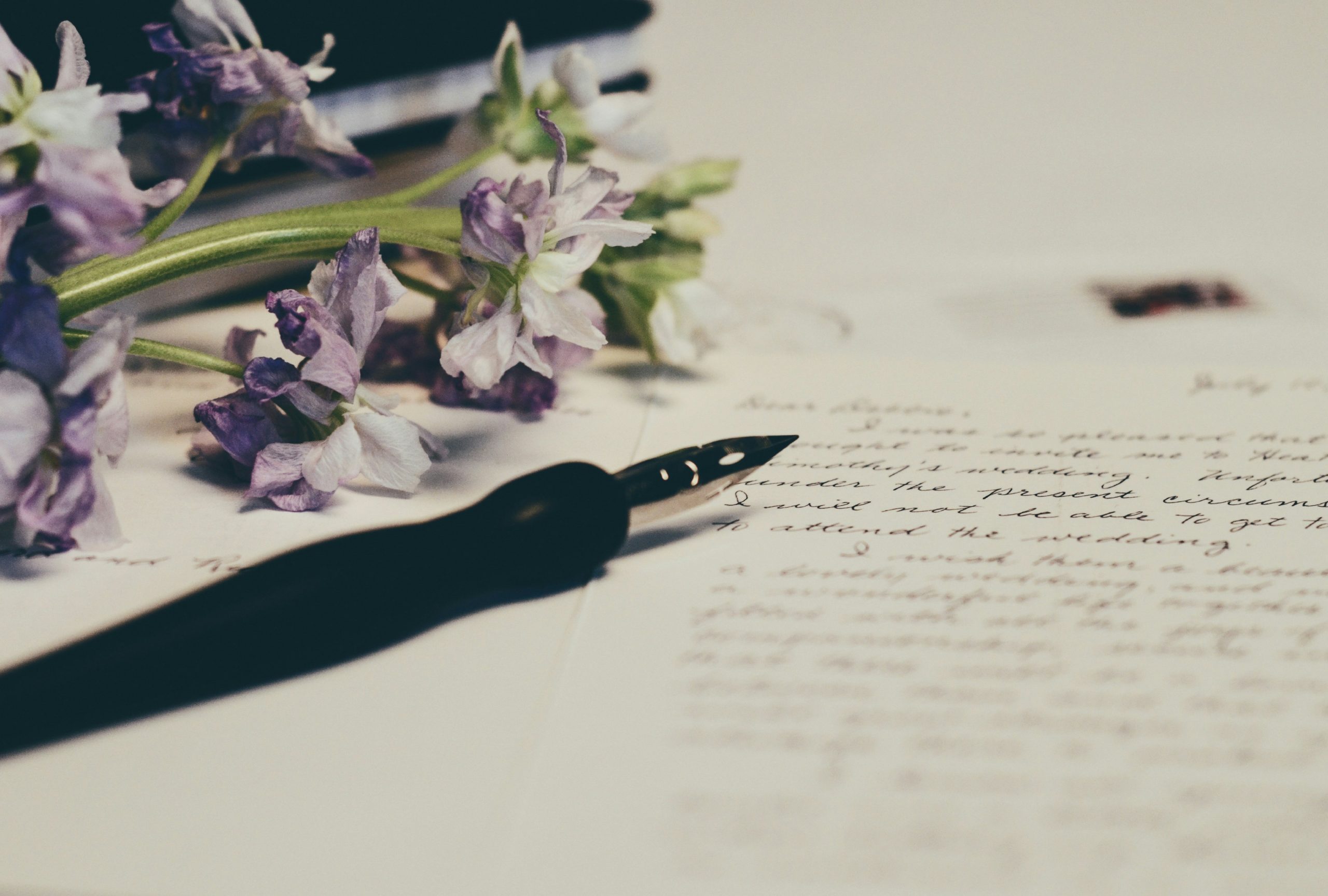
Go Analog!
Jerry Seinfeld wrote every episode of Seinfeld longhand, on a yellow legal pad, with a blue Bic pen. He still writes that way. He’s said the flashing cursor on a screen makes him anxious, like it’s asking, “So, whaddaya got?”
Why Start With Pen and Paper?
Writing by hand slows you down just enough for ideas to emerge. Creativity needs room to wander, take wrong turns, and sit there doing nothing for a minute. That’s incubation.
A blank sheet of paper gives your brain permission to explore without judging whether an idea is good, logical, or even usable yet. The keyboard doesn’t offer that permission; it’s wired to email, social, notifications, AI, and a hundred other things that pull your attention.
Even when none of them are calling your name, the computer can drag you into editing mode before you’ve finished creating.
Think Visually
On paper, you can write half a thought, circle something, cross it out, draw an arrow, write sideways, doodle in the margin, put one ridiculous idea right next to a good one. Sometimes those two ideas collide and make something neither could’ve made alone.
A keyboard makes everything look finished too fast. I’ll catch myself fixing punctuation and formatting when I’m supposed to be generating ideas; the keyboard tricks you into thinking you’re further along than you are.
When I write a blog, I start on paper. Ideas, connections, phrases, examples- just get them down. Then I move to the laptop to organize, develop, and edit.
Paper is where you discover what you want to say. The keyboard is where you figure out how to say it.
Free-Associate
One association triggers another.
Taylor Swift… breakup songs… my first breakup… my mother’s advice… terrible advice.
That’s a celebrity story turning into a personal one, into a funny observation, into a piece of content you could use.
Paper makes those jumps easier to see because you’re not stuck in a straight line. Mind-map it, sketch it, connect ideas with arrows, follow whatever catches your eye. That’s where the unexpected stuff lives, and sticky content lives in the unexpected.
Analog vs. Digital
It’s not paper instead of technology. It’s using each tool for what it does best.
Analog is built for:
- Brainstorming
- Free association
- Intuition
- Memories and observations
- Mind-mapping
- Finding unexpected connections
- Getting past the inner critic
Digital is built for:
- Organizing
- Developing
- Editing
- Rearranging
- Searching, saving, sharing
- revision
You’re not just typing what you wrote; you’re finding the better version of it. Don’t worry about spelling. Don’t worry about structure. Don’t worry about whether it’s good yet. Just get it out. Then bring the best pieces to the keyboard and build something with them.
Pen = Create. Keyboard = Develop.
Photo by Debby Hudson on Unsplash